 Hacker Cinema
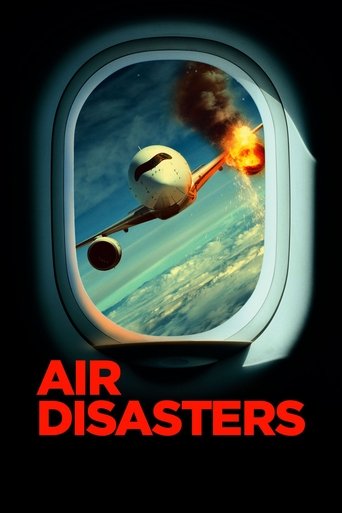
Air Disasters
2011 · TV series · documentary · 45 min episodes · 25 seasons
Created by André Barro, Bernard Vaillot
Catastrophic incidents in aviation history are meticulously reenacted, providing insight into what went wrong and if the crashes and near-disasters could have been prevented. Accounts from survivors combine with cockpit recordings and computer images to weave the gripping tales, and expert testimony reveals the hows and whys behind the events, some of which have resulted in important changes to aviation safety and regulations.
2 positive3 neutralfrom 5 commenters
Where to watch
No streaming data for this title.



7 comments on Hacker News
Fun and all but the data isn’t necessarily accurate, or it’s only checking for MAX-9, as I looked up a MAX-8 that just landed and it said it wasn’t (which is true, it wasn’t MY flight, so gotcha?:))
If this is an actual concern you have, look up the flight on your day of travel to see what equipment you will most likely have and react accordingly.
As a fan of the TV documentary “Air Disasters” I’m more afraid of the software and the people than the hardware, and my confidence in air travel has only risen after watching dozens of episodes.
As someone who has watched a lot of episodes of "Air Disasters" (AKA "Mayday", "Air Emergency", or "Air Crash Investigations" in various places) [1], The Weather Channel's "Why Planes Crash" [2], and National Geographic's "Seconds from Disaster" [3] which had a few episodes involving air disasters, getting me on a 737 Max after they release a fix wouldn't require any more force or involve any more kicking and screaming and threats of violence than getting me on any other modern airliner.
[1] https://en.wikipedia.org/wiki/Mayday_(Canadian_TV_series)
[2] https://en.wikipedia.org/wiki/Why_Planes_Crash
[3] https://en.wikipedia.org/wiki/Seconds_from_Disaster
Air Disasters did an episode on this flight with interviews from the people that diagnosed the problem. https://www.smithsonianchannel.com/shows/air-disasters/free-fall/802/3467449
> Nobody is thrown in jail ever for a airplane failure analysis
...in the United States. I definitely recall watching multiple episodes of Air Disasters [1] where surviving pilots in crashes in other countries that killed passengers went to jail for things that in the US would have at most resulted in a suspended license and demotion or termination from their airline.
For example, Air France Flight 296 in 1988. Another example is Gol Transportes Aéreos Flight 1907 in 2006 in Brazil.
[1] AKA Air Emergency, Mayday, or Air Crash Investigation, depending on what country you watch in and what channel it is on.
I think we're going to have to disagree. It isn't just an issue for beginner code. Experts make such mistakes, too. Expecting them to not make mistakes is unrealistic, and sending them back for more training isn't going to work, either.
I can't think of a reason any modern language should accept such code.
If you're interested, I recommend the series "Air Disasters" on TV. Each episode analyzes one crash, where investigators determine the cause of the accident, and what the corrective action should be taken. Often, it comes down to "how could a pilot with 10,000 hours experience make such a mistake". While it would be easy for investigators to blame the pilot, often they find that the mistake was just too easy to make, and they recommend changing the design or procedures or both.
There is an episode in the series 'Air Disasters' currently available in Netflix about this.
Terrifying to say the least.
BTW, I think every engineer should watch the series on the Smithsonian channel "Air Disasters". Each episode chronicles a particular disaster, and then painstakingly goes through what went wrong and how the problems were fixed. One can learn a lot about systems design from these case studies on how and why things go wrong.