 Hacker Cinema
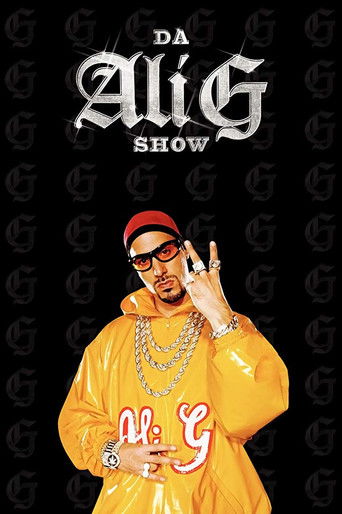
Da Ali G Show
2000 · TV series · 30 min episodes · 3 seasons
Created by Sacha Baron Cohen
Da Ali G Show is a British satirical television series created by and starring English comedian Sacha Baron Cohen. In the series, Baron Cohen plays three unorthodox journalists: faux-streetwise poseur Ali G, Kazakh reporter Borat Sagdiyev, and gay Austrian fashion enthusiast Brüno Gehard. These characters conduct real interviews with unsuspecting people, many of whom are celebrities, high-ranking government officials, and other well-known figures, during which they are asked absurd and ridiculous questions.
1 positive4 neutralfrom 5 commenters
Where to watch
No streaming data for this title.
5 comments on Hacker News
So sad that John Wilson is over now. One of the weirdest best shows ever. The S1 E2 episode How to put up scaffolding about all the scaffolding in NYC was one of my favorites. Never has a show loved and showcased a city so authentically, except maybe the Wire with Baltimore.
If you’ve watched the final episode (absolutely riveting in typical Wilson fashion) the conversation with “Mike” is just shocking. But in some ways it makes sense the show had to end. Similar to the Ali G show back in the day, once you achieve some fame, ironically strangers will know who you are and be less likely to tell their true stories and opinions. And at that point the show would be dead anyway.
For sure the reasonable responses are edited out - It would take one hell of a world to make a Borat-like film _impossible_ - but that doesn't mean the current one isn't effective. I'm not sure I'd _change_ anything, but Borat is a tour-de-force in speaking up when you see something questionable or ridiculous.
Ali G is the same way - you'd have to think street kids are absolutely insane if you can look at Ali G and try to keep a straight face. To take Ali G seriously is the same as admitting you have no idea whatsoever what the youth culture looks like.
I think this is a very uncharitable interpretation of the people who get “duped” by Borat. They’re racist because they don’t immediately suspect this strange person is actually an actor? Even when they do, that gets edited out. What exactly about American behavior would you have change that would make a Borat-like film impossible?
IIRC Ali G was originally filmed in Britain and the same sorts of antics were pulled off easily... I don’t think “going along to get along” is unique to Americans, although as a multicultural country I am sure we have a bit more than average.
>He's making fun of people's fears.
I must've missed that facet in 'Da Ali G Show'. Aside from the occasional accidentally poignant political interview, he mostly just made fun of people who were similar to his character, and the trope of British 'chavs'.
>His movies are ridiculous social commentary.
I agree, but much like Michael Moore, the ridiculousness of your person limits your credibility in 'Real Life' at a certain point.
International laws are all different, but American laws are generally among the most permissive. For example, newspapers don't have to get consent forms for everyone who happens to appear in a photo of a public venue. I don't think Google was legally obligated to blur faces in its Street View coverage of America, but it was likely the extremely wise thing to do (nothing stopping government from passing new laws) [0]. But documentaries do -- I'm honestly not sure if that is legally the case or if it's done out of precaution, obviously the majority of TV news and newspaper photos don't blur random people's faces. And for things like the "Ali G Show" [1], you can bet all of those people who were unblurred had signed a release before entering that bar.
In contrast, I know that in the EU, architects have copyright on their work, which means you can't photograph the Eiffel Tower at night and share the photo, legally, without consent [2]
As to how you know if your photo is being used commercially...obviously there isn't a push-notification service (yet) that sends an alert to your inbox. You would just have to notice the commercial usage, as what happened when the teenager who was captured in a CC-licensed photo on Flickr found herself in a Virgin Mobile campaign
[0] https://www.cnet.com/news/google-begins-blurring-faces-in-street-view/ (warning, autoplay video)
[1] https://www.youtube.com/watch?v=Vb3IMTJjzfo
http://www.thefrisky.com/2009-07-15/how-sacha-baron-cohen-keeps-from-getting-sued/
[2] http://www.politico.eu/article/banned-taking-pictures-of-the-eiffel-tower-at-night-copyright-law-eu/