> "Imagine how lame a podcast version of time magazine would be, with an audiobook-like, minimalist adaptation. About as good as watching a recorded play."
In fact, the minimalist podcast version of The Economist magazine (technically a weekly newspaper) is very good, where presenters read articles word-by-word. In 2018, "only 10 percent of its app users listen to audio, but they tend to be very loyal." [1] I'm one of the avid listeners, because otherwise, I find it much more difficult to keep up with the magazine (it's easy to listen to while exercising or commuting, but when I have the free time to sit down and read, I usually prefer enjoying my time some other way).
Similarly, The New Yorker and The Atlantic also have audio versions of a good number of their articles, too. Out of all the publications mentioned, The New Yorker's audio recordings sound to me, with the most distinctive with music and a radio drama-like voice actor.
But overall, the adaptations are essentially indiscriminate from the written word, because the goal is to understand material, typically with your hands free to focus on something else. I never choose the audio version of the news because it's more entertaining, but rather because it's more convenient.
~~
Perhaps that is why audiobook listeners generally don't have a distinct taste apart from book readers. If the audiobook deviates noticeably from the content of a book, it no longer becomes an audiobook, but an adaptation inspired by the source material. Then, book readers and audiobook listeners can no longer closely relate, as the story changed.
At most, I do like audiobooks with a narrator with great voice acting to differentiate between the characters—for example, in an audiobook for Jane Austen's "Emma," the voice actor sounded very different for Emma & Harriet, and , Mr. Knightley & Frank Churchhill. The audiobook can also deviate from the source material in this sense, as the emotions expressed in dialogue are interpretations of the writer's intention (like the famous acting of "Harry, did you put your name in the Goblet of Fire?" in the film versus the book).
But once more, if the audiobook deviates too much, the reader can feel cheated as the experience is too different from the original material. At that point of deviation, a producer would best promote this as a "re-imagining"—which would be fairly separate from the original.
As for audiobook originals (with no written original), the closest equivalent I can think of are original podcasts. But the audience for these are different—more of the fans have a close following of the voice actors and hosts, and there is no source material for listeners to be concerned about deviation.
> The advisory doesn’t apply to the day-to-day operation of organizations such as schools, institutes of higher learning, or businesses...
Why not? A theater playing Emma on a schedule isn't somehow safer than a movie theater hosting a one-time corporate event, for the same number of people. Or a normal day at a large restaurant versus the same restaurant reserved for a private party. Why advise that the later be put off but not the former?
> Events of any size should only be continued if they can be carried out with adherence to guidelines for protecting vulnerable populations, hand hygiene, and social distancing
Say such a business tried to continue to hold events while adhering to the guidelines. It seems that "protecting vulnerable populations" would mean not admitting people with comorbidities, such as the elderly, obese, diabetic, smokers, etc. I'd think that equal access laws such as the ADA would prevent such an attempt.
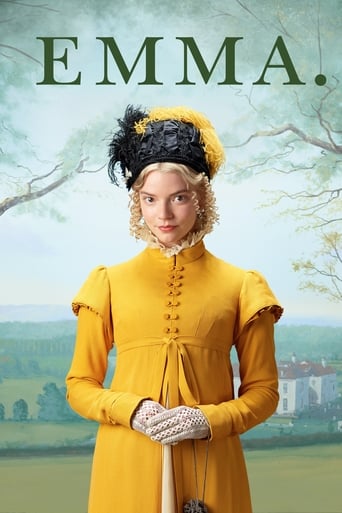
 Hacker Cinema

2 comments on Hacker News
> "Imagine how lame a podcast version of time magazine would be, with an audiobook-like, minimalist adaptation. About as good as watching a recorded play."
In fact, the minimalist podcast version of The Economist magazine (technically a weekly newspaper) is very good, where presenters read articles word-by-word. In 2018, "only 10 percent of its app users listen to audio, but they tend to be very loyal." [1] I'm one of the avid listeners, because otherwise, I find it much more difficult to keep up with the magazine (it's easy to listen to while exercising or commuting, but when I have the free time to sit down and read, I usually prefer enjoying my time some other way).
Similarly, The New Yorker and The Atlantic also have audio versions of a good number of their articles, too. Out of all the publications mentioned, The New Yorker's audio recordings sound to me, with the most distinctive with music and a radio drama-like voice actor.
But overall, the adaptations are essentially indiscriminate from the written word, because the goal is to understand material, typically with your hands free to focus on something else. I never choose the audio version of the news because it's more entertaining, but rather because it's more convenient.
~~
Perhaps that is why audiobook listeners generally don't have a distinct taste apart from book readers. If the audiobook deviates noticeably from the content of a book, it no longer becomes an audiobook, but an adaptation inspired by the source material. Then, book readers and audiobook listeners can no longer closely relate, as the story changed.
At most, I do like audiobooks with a narrator with great voice acting to differentiate between the characters—for example, in an audiobook for Jane Austen's "Emma," the voice actor sounded very different for Emma & Harriet, and , Mr. Knightley & Frank Churchhill. The audiobook can also deviate from the source material in this sense, as the emotions expressed in dialogue are interpretations of the writer's intention (like the famous acting of "Harry, did you put your name in the Goblet of Fire?" in the film versus the book).
But once more, if the audiobook deviates too much, the reader can feel cheated as the experience is too different from the original material. At that point of deviation, a producer would best promote this as a "re-imagining"—which would be fairly separate from the original.
As for audiobook originals (with no written original), the closest equivalent I can think of are original podcasts. But the audience for these are different—more of the fans have a close following of the voice actors and hosts, and there is no source material for listeners to be concerned about deviation.
[1] https://digiday.com/media/economists-new-app-tries-keep-people-unsubscribing/
> The advisory doesn’t apply to the day-to-day operation of organizations such as schools, institutes of higher learning, or businesses...
Why not? A theater playing Emma on a schedule isn't somehow safer than a movie theater hosting a one-time corporate event, for the same number of people. Or a normal day at a large restaurant versus the same restaurant reserved for a private party. Why advise that the later be put off but not the former?
> Events of any size should only be continued if they can be carried out with adherence to guidelines for protecting vulnerable populations, hand hygiene, and social distancing
Say such a business tried to continue to hold events while adhering to the guidelines. It seems that "protecting vulnerable populations" would mean not admitting people with comorbidities, such as the elderly, obese, diabetic, smokers, etc. I'd think that equal access laws such as the ADA would prevent such an attempt.