Stepping back a bit the idea of “warnings” or “trigger warnings” for literature - and for arguments sake let’s consider all fiction literature - is complicated.
As food for thought, I’ll also throw into the mix the classic critique of American culture that it’s easier to show someone getting shot in the face on TV or in a PG-13 film than it is to show a woman’s breasts. That America is much more comfortable with violence than it is with sex (between any set of genders).
There is a lot in there of which I am not intimately familiar but I don't believe it does. It seems to me that contemporary claims of depravity of Howl centered around depiction of consensual homosexual acts, or drugs, or simple use of swearing, all of which are less shocking today than they were in the 50s. If you can find a specific example do tell.
> Woody Allen doesn’t advocate for marrying underage relatives in Manhattan
There is a creepy relationship with an underage girl (played by Mariel Hemingway) in that film. The amount of seeming autobiographical material in his work of the time make this hard to dismiss.
I'm not aware of any other system can provide the permissionless and censorship-resistant aspects of blockchain while still maintaining a coherent, single view of the network, though I admit I'm only loosely familiar with BigchainDB.
- Why published identity? I guess that idea is that all content is actually legal and there are no pirate movies / tv shows?
It's possible to publish anonymously if that is your preference. Even using an "identity" you can be anonymous, they're just cryptographically provable pseudonyms.
Open protocols do not have a legal obligation to perform censorship at the protocol level, only users of the protocol must censor (see HTTP, BitTorrent, etc.).
- How will you control who and what is uploaded? ...legal movie distributers will not use it because content will end up in P2P...
We don't. Currently over 750,000 pieces of content are available on LBRY and to our knowledge only a little over 100 are infringing.
We do receive and process DMCA takedown requests and provide a service that lists content that is illegal to access in the United States. Official applications that we release respect this endpoint, but it's not even legally clear that we have to do this (e.g. uTorrent could do the same, but does not).
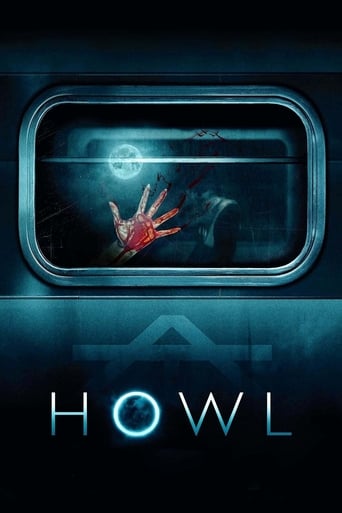
Additionally, LBRY already has one Hollywood studio making films available. You can watch a James Franco film (Howl) or a David Cross film (It's a Disaster). All existing attempts to restrict re-distribution of digital content do not work and there are strong theoretical reasons to believe they never will. Hopefully more studios will eventually be as enlightened as Oscilloscope.
- There's also a problem with content like child pornography. How are you going to prevent upload of those?
 Hacker Cinema


3 comments on Hacker News
Stepping back a bit the idea of “warnings” or “trigger warnings” for literature - and for arguments sake let’s consider all fiction literature - is complicated.
Same as what is pornographic or not, or obscene or not - https://en.m.wikipedia.org/wiki/Howl#1957_obscenity_trial
As food for thought, I’ll also throw into the mix the classic critique of American culture that it’s easier to show someone getting shot in the face on TV or in a PG-13 film than it is to show a woman’s breasts. That America is much more comfortable with violence than it is with sex (between any set of genders).
> Does Howl advocate child rape,
There is a lot in there of which I am not intimately familiar but I don't believe it does. It seems to me that contemporary claims of depravity of Howl centered around depiction of consensual homosexual acts, or drugs, or simple use of swearing, all of which are less shocking today than they were in the 50s. If you can find a specific example do tell.
> Woody Allen doesn’t advocate for marrying underage relatives in Manhattan
There is a creepy relationship with an underage girl (played by Mariel Hemingway) in that film. The amount of seeming autobiographical material in his work of the time make this hard to dismiss.
- Why blockchain and not something else?
I'm not aware of any other system can provide the permissionless and censorship-resistant aspects of blockchain while still maintaining a coherent, single view of the network, though I admit I'm only loosely familiar with BigchainDB.
- Why published identity? I guess that idea is that all content is actually legal and there are no pirate movies / tv shows?
It's possible to publish anonymously if that is your preference. Even using an "identity" you can be anonymous, they're just cryptographically provable pseudonyms.
Open protocols do not have a legal obligation to perform censorship at the protocol level, only users of the protocol must censor (see HTTP, BitTorrent, etc.).
- How will you control who and what is uploaded? ...legal movie distributers will not use it because content will end up in P2P...
We don't. Currently over 750,000 pieces of content are available on LBRY and to our knowledge only a little over 100 are infringing.
We do receive and process DMCA takedown requests and provide a service that lists content that is illegal to access in the United States. Official applications that we release respect this endpoint, but it's not even legally clear that we have to do this (e.g. uTorrent could do the same, but does not).
Additionally, LBRY already has one Hollywood studio making films available. You can watch a James Franco film (Howl) or a David Cross film (It's a Disaster). All existing attempts to restrict re-distribution of digital content do not work and there are strong theoretical reasons to believe they never will. Hopefully more studios will eventually be as enlightened as Oscilloscope.
- There's also a problem with content like child pornography. How are you going to prevent upload of those?
This is essentially already answered above. You can read a bit more here: https://lbry.io/what#combatting-the-ugly