 Hacker Cinema
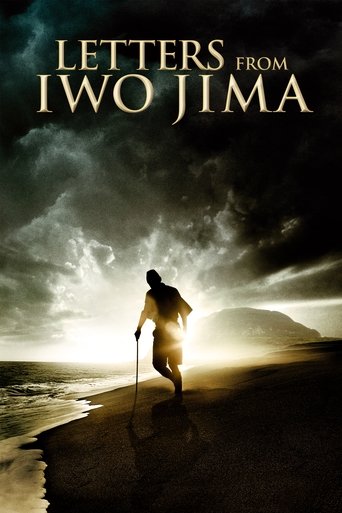
Letters from Iwo Jima
2006 · Film · 141 min
Directed by Clint Eastwood
The story of the battle of Iwo Jima between the United States and Imperial Japan during World War II, as told from the perspective of the Japanese who fought it.
3 positive1 neutralfrom 4 commenters
Where to watch
No streaming data for this title.


4 comments on Hacker News
Agreed, it's not just about the Eastern Front. The Chinese Theater is possibly just as interesting and full of stories worth telling.
I'm not sure the Pacific War gets that much less attention. There are plenty of American-made games set in it (Call of Duty, Microsoft Flight Simulator 2, etc) and shows, most noticeably "The Pacific", and movies (e.g. "Letters from Iwo Jima"). This is the theater where the only atomic bombs were ever used in anger, so there's also that making it famous.
Kubrick’s results were all over the map. He made maybe three great films:
Dr. Strangelove
Full Metal Jacket
A Clockwork Orange
A bunch of not bad films:
2001
Lolita
Barry Lyndon
The Shining
Spartacus
One real turd of a film:
Eyes Wide Shut
And a bunch of forgettable filler:
All the other films he made.
Compare this to the Anti-Kubrick, Clint Eastwood, who made:
Unforgiven
Mystic River
Million Dollar Baby
Letters From Iwo Jima
Gran Torino
And a bunch of okay films:
Pretty much everything else
And it’s pretty obvious that you don’t need to be an abusive taskmaster like Kubrick to make great art.
Interestingly, The Last Samurai was extremely popular in Japan. It sold more tickets in Japan than the US (even though the US population was over 2x as large in 2003). This is in stark contrast with basically every other Western movie representation of Japan (edit: I think Letters from Iwo Jima was also well received and for somewhat similar reasons).
From what I understand, they of course knew that it was alternative history (aka a completely fictional universe), but they strongly related to the larger themes of national pride, duty, and honor.
I think I should be more specific with my definition of bleak.
It's possible to write a novel where the setting, and the story lead to dark places, and finish badly for the heroes, but without the heroes giving up on life or thinking. There are many instances in history of people standing their ground in hopeless circumstances.
In fiction, I think the best depiction of what I mean might be Letters from Iwo Jima (the movie, not the actual letters which are relatively sparse). Kuribayashi's character goes through hell consciously but his extraordinary resistance - down to refusing to banzai charge as is customary in those situations and instead patiently drawing out the fight to maximise enemy casualties, drawing out the pain for himself and his troops in the process - is a phenomenal description of character. It is specifically in Eastwood's depiction that this comes through although the real Kuribayashi was every bit the depicted one. So I do not consider the movie or the book "bleak" but incredibly awe-inspiring despite its content and ending for the protagonist.
Meanwhile, the main character in Ubik and most of PKD's novels is continuously failing to have any agency, thwarted by unknown and unbeatable forces until he just accepts his fate and stops moving. I always thought that this book in particular and PKD's work in general were close to depictions of depression, which is where the bleakness is. I'm in a rush right now so can't immediately come up with a good example but many modern works of fiction depict wonderful conditions and stories with very bleak characters incapable of appreciating their luck.