 Hacker Cinema
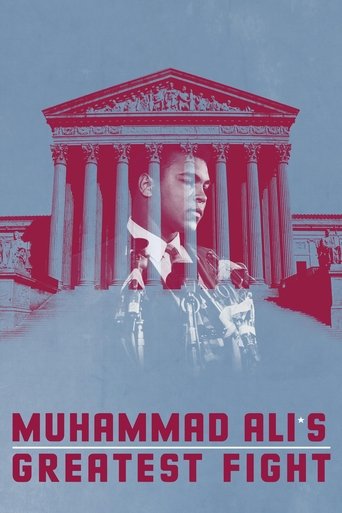
Muhammad Ali's Greatest Fight
2013 · Film · 97 min
Directed by Stephen Frears
Muhammad Ali’s historic Supreme Court battle from behind closed doors. When Ali was drafted into the Vietnam War at the height of his boxing career, his claim to conscientious objector status led to a controversial legal battle that rattled the U.S. judicial system right up to the highest court in the land.
1 neutralfrom 1 commenter
Where to watch
No streaming data for this title.


1 comment on Hacker News
The site won't load, but...
In the USA, porn has been largely protected under the 1st Amendment. It is important to note that some pornography is not legal. This is usually called "obscene" and the standards are judged by your local community. There was a famous SCOtUS decision whereby the opinion used the test of "I know it when I see it"[1] to judge the threshold between legal porn and illegal porn, which I find problematic to the point of not being a useful law. You are at the whims of the delicate sensibilities of your neighbors on a jury when you are accused of consuming illegal porn.
Side note: there is a great scene in a movie on the Muhammed Ali SCOTUS case where the justices spend one day a week reviewing "evidence" of another ongoing case involving porn. [2]
Prostitution is usually prohibited because American protestantism (typically in the form of social pressure or local laws) is largely prudish. This is the same social pressure that brought about the alcohol prohibition (with the dubious distinction of being the only Amendment to have been repealed). It is hyperbolized in the movie Footloose in the form of drinking (which leads to unplanned non marital sex, of course!) and dancing (the horror!).
Prostitution, specifically, is usually outlawed because of the effects on public health (both medical health and the mental/social health of men who use prostitutes), and fear of the unknown (violence and other associated crime). Many communities in the US already legalize some forms of sex work (phone sex, video and still camera pornography, bikini waitresses, strip clubs, etc) or perhaps better worded, can not outlaw them. NIMBYs are largely to credit for the threshold of where a community draws a line on local sex work.
Nevada brothels are still legal in many of the less populated counties, but the legal brothels are regulated, the girls must register with the sheriff's office, and they are all tested for medical issues frequently.
The US has had a long history with using the law to outlaw "socially undesirable" behaviors (put another way, the prevailing social cohort is able to control other unapproved cohorts with the law, creating something of a tyrant of the majority). I firmly believe that marijuana is much less dangerous than many other, more acceptable drugs which have been legalized (like alcohol and tobacco). Even legal gambling is a much larger risk to public health than marijuana. But marijuana (which I don't use) prohibition has, in the past, been a convenient tool to outlaw to control non-white populations in the US and to prevent a drop in the insane work ethic protestants require of their community, similar to how the alcohol prohibition was sold to other WASPs by controlling those "unruly" Southern Europeans during a generation when the US was becoming increasingly fearful of its changing demographics.
Like many other prohibitions, prostitution is hard to police and the side effects of the prohibition are probably worse than if the action were legalized. Modern prostitution is a fund-raising tool for drug cartels, people smugglers, and has contributed to a rise in modern slavery.
[1] https://en.wikipedia.org/wiki/I_know_it_when_I_see_it
[2] http://www.imdb.com/title/tt2061756/