 Hacker Cinema
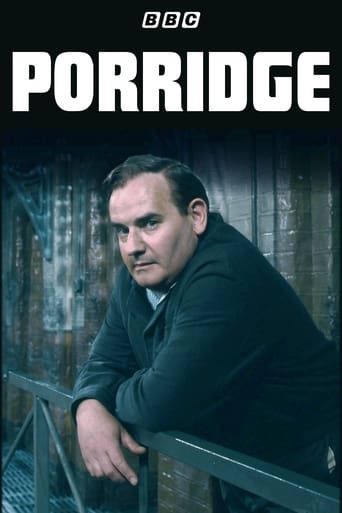
Porridge
1974 · TV series · 30 min episodes · 3 seasons
Created by Dick Clement, Ian La Frenais
Porridge is a British situation comedy broadcast on BBC1 from 1974 to 1977, running for three series, two Christmas specials and a feature film also titled Porridge. Written by Dick Clement and Ian La Frenais, it stars Ronnie Barker and Richard Beckinsale as two inmates at the fictional HMP Slade in Cumberland. "Doing porridge" is British slang for serving a prison sentence, porridge once being the traditional breakfast in UK prisons. The series was followed by a 1978 sequel, Going Straight, which established that Fletcher would not be going back to prison again. Porridge was voted number seven in a 2004 BBC poll of the 100 greatest British sitcoms.
2 positive1 neutralfrom 3 commenters
Where to watch
No streaming data for this title.


3 comments on Hacker News
And also the UK TV series Porridge - which probably never got shown on US television.
Porridge was a British sitcom about prisoners. It's another one of those UK tv shows that didn't have many episodes (20?) but which were very popular and I guess fondly remembered.
http://www.imdb.com/title/tt0071036/?ref_=fn_al_tt_1
Porridge is British slang for serving a prison sentence. "Doing your porridge"; "he's doing his porridge". http://virtuallinguist.typepad.com/the_virtual_linguist/2012/11/porridge.html
There are plenty of lazy and derivative British sitcoms, but I wouldn't call The Office a one-off stroke of genius. A great many British sitcoms have similar depth and substance - Gavin and Stacey or The Inbetweeners would be good contemporary examples. Going back further, you have programmes like I'm Alan Partridge, Blackadder, Porridge, The Likely Lads and so on. None of those sitcoms could plausibly have been produced in the US, they're just not sufficiently marketable.
British TV commissioning isn't perfect, but it affords a level of creative freedom that is largely absent in the US, and that is necessary for programmes like The Office to come into being. British commissioners really do think in terms of artistic merit rather than purely commercial value.
American networks are excellent at producing huge international hits, but there's no room in the system for smaller, quirkier productions. The BBC and Channel 4 tend to take a lot of small risks on cheaper productions rather than always swinging for the fences. Success and failure is far less binary when there isn't the pressure to recoup a huge budget. Some of those cheap experiments will be total flops, some will survive as lowbrow primetime filler, some will find a small but loyal audience, a rare few will be huge hits. None of those outcomes are career-ending catastrophes, they're just part of the process. Commissioners expect and allow that level of variance.