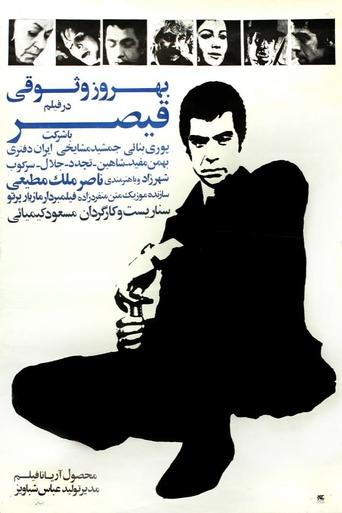
On that note, I'd recommend the title scene in the Iranian movie Qeysar [0] from 1969.
A number of the same motifs from 2.5k years ago are still around in Indo-Iranian culture.
Some of the older generations of Pakhtun Hindus still tattoo in that style [1], as a number of the central tribes of the Pakhtun community were Saka [2]. A granddaughter from the community has been working on documenting the culture for a couple years now [3]
On a separate note, highly recommend watching New Age Iranian Cinema (1965-1980ish). It's good stuff.
Sure among the elite in Tehran, but the rest of the country was still significantly conservative. You can see this in blockbuster movies from Iran in that era such as Qeysar [0] and Tangsir [1], as well as with Iranian thinkers with a mixed traditional and western educational background such as Ahmad Fardid, Jalal Al-e-Ahmad, and Ali Shariati preaching about Gharbzadegi as a reaction to the rapid modernization the Shah used.
> Iran was actually rich in the 1970s
But extremely unequal. The earliest Gini coefficient I could find for Iran (1984) was at 0.47, so roughly similar to Venezuela during that era. It also appeared that Tehran's household expenditures (and thus salaries) were 4x those of the rest of the country [2].
There's a reason why Islamic Socialism is the primary political philosophy within Iran, with the key intellectuals of the Iranian Revolution being influenced by a mix of Islamic Reformism, Third Worldism a la Frantz Fannon and the Algerian Revolution, and Marxist thought.
Basically, an Islamic version of Liberation Theology that was popular in South America and the Solidarity Movement in Poland, and directly influenced Pope Francis
 Hacker Cinema

2 comments on Hacker News
> tattoos on mummies
On that note, I'd recommend the title scene in the Iranian movie Qeysar [0] from 1969.
A number of the same motifs from 2.5k years ago are still around in Indo-Iranian culture.
Some of the older generations of Pakhtun Hindus still tattoo in that style [1], as a number of the central tribes of the Pakhtun community were Saka [2]. A granddaughter from the community has been working on documenting the culture for a couple years now [3]
On a separate note, highly recommend watching New Age Iranian Cinema (1965-1980ish). It's good stuff.
[0] - https://www.artofthetitle.com/title/qeysar/
[1] - https://www.thehindu.com/news/national/tattooed-blue-skinned-hindu-pushtuns-look-back-at-their-roots/article22645932.ece
[2] - https://en.m.wikipedia.org/wiki/Hephthalites
[3] - https://www.instagram.com/sheenkhalaiartproject/?hl=en
> women weren't in veils
Sure among the elite in Tehran, but the rest of the country was still significantly conservative. You can see this in blockbuster movies from Iran in that era such as Qeysar [0] and Tangsir [1], as well as with Iranian thinkers with a mixed traditional and western educational background such as Ahmad Fardid, Jalal Al-e-Ahmad, and Ali Shariati preaching about Gharbzadegi as a reaction to the rapid modernization the Shah used.
> Iran was actually rich in the 1970s
But extremely unequal. The earliest Gini coefficient I could find for Iran (1984) was at 0.47, so roughly similar to Venezuela during that era. It also appeared that Tehran's household expenditures (and thus salaries) were 4x those of the rest of the country [2].
There's a reason why Islamic Socialism is the primary political philosophy within Iran, with the key intellectuals of the Iranian Revolution being influenced by a mix of Islamic Reformism, Third Worldism a la Frantz Fannon and the Algerian Revolution, and Marxist thought.
Basically, an Islamic version of Liberation Theology that was popular in South America and the Solidarity Movement in Poland, and directly influenced Pope Francis
[0] - https://archive.org/details/gheysar-1348
[1] - https://m.youtube.com/watch?v=Eg2S3dHTKD0
[2] - https://www.cairn.info/revue-internationale-des-etudes-du-developpement-2017-1-page-113.htm