 Hacker Cinema
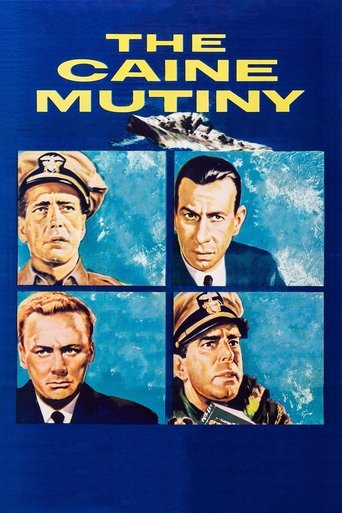
The Caine Mutiny
1954 · Film · 124 min
Directed by Edward Dmytryk
When a US Naval captain shows signs of mental instability that jeopardize his ship, the first officer relieves him of command and faces court martial for mutiny.
2 neutralfrom 2 commenters
Where to watch
No streaming data for this title.


2 comments on Hacker News
It is hard to overstate how much Godard changed cinema, even in America. If you don’t believe me check for yourself. Open the best picture nominees between 55’-65’ and watch their trailers. Films like Marty/On the waterfront/12 angry men/To kill a mockingbird/The Caine Mutiny/Sweet smell of success is what movies were like in the late 50s.
The acting/writing was pompous, actors talked like reciting Shakespear. The movies were about heros of impeccable character doing heroic things and there always was a happy ending. Movie shots followed strict guidelines and the creative head of the movie was the producer while the director was akin to a contractor, someone hired to film the scenes.
Starting in the mid 60s there was a radical shift, topping the nominations we have films like Five Easy Pieces, The French Connection, The Godfather, One Flew Over the Cuckoo’s Nest, The Deer Hunter, Dog Day Afternoon, Taxi Driver etc. Actors would act and behave like normal everyday people facing everyday problems. The new Archetype is the Anti-Hero, someone with flaws/vices in their character, someone that viewers can relate to. We see the rise of the director as the auteur, the creative master of a film. Every known filmaking rule is being tested to it’s limits and broken by young experimenting directors.
The catalyst for this change was the French New Wave, a group of young filmmakers tired of the old style of cinema wanting to do films about their own life and experiences. The poster boy for the New Wave was Jean-Luc Godard starting this revolution with his 1960 film Breathless.
The film The Caine Mutiny helped inspire the 25th amendment to the US Constitution. That's based on a book, so even if you want to narrow it to literature, it still works.
https://www.washingtonpost.com/news/morning-mix/wp/2018/09/10/how-the-caine-mutiny-and-the-paranoid-capt-queeg-contributed-to-the-debate-over-the-25th-amendment/
Of course, nothing happens just because someone saw a movie about it. The 25th amendment was also prompted by the assassination of JFK, and the new awesome responsibilities of the US president in nuclear brinkmanship.
But I think literature and especially film are a kind of artificial experience, a memory of something that never happened. And we can start to take steps to realize or avoid those events.
These effects can be subtle, but not that hard to trace. For instance, the police greatly benefit from their nearly universal portrayal as heroes on film and TV. I think you can draw a direct line from that to the massive police budgets you see in North America.