 Hacker Cinema
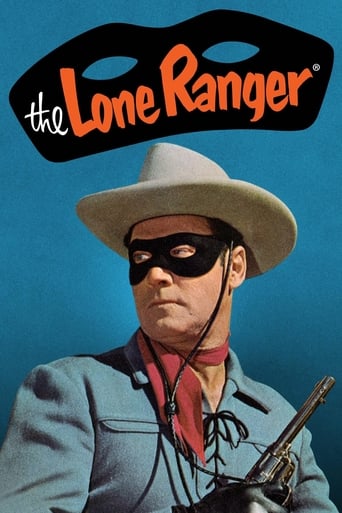
The Lone Ranger
1949 · TV series · 30 min episodes · 5 seasons
Created by Fran Striker, George W. Trendle
The Lone Ranger is an American western television series that ran from 1949 to 1957, starring Clayton Moore with Jay Silverheels as Tonto. The live-action series initially featured Gerald Mohr as the episode narrator. Fred Foy served as both narrator and announcer of the radio series from 1948 to its finish and became announcer of the television version when story narration was dropped there. This was by far the highest-rated television program on the ABC network in the early 1950s and its first true "hit".
1 neutralfrom 1 commenter
Where to watch
No streaming data for this title.


1 comment on Hacker News
I remember when Ted Turner bought a scrappy Atlanta TV station, Channel 17.
The channels refer to specific radio frequency allocations. Anything below Channel 12 is "Very High Frequency", and anything above that is "Ultra High Frequency". The Channel number was basically arbitrary, but went up in frequency in numerical order, so Channel 5 had a higher frequency than Channel 17.
The higher the frequency, the shorter the wavelength, and in general the smaller the area of coverage. Fewer viewers. The big networks dominated VHF, megawatt transmitters that could reach the entire metro area and beyond. In the Atlanta area, we had all three major networks, ABC, CBS, and NBC on Channels 2, 5, and 11.
UHF was the domain of independent operators, who filled airtime with anything they could get. Mostly old TV shows and movies from syndicate distributors. Channel 17 was mostly old movies, while Channel 36 featured old TV shows. "Superman" and "The Lone Ranger". "Star Trek". Later in the evening, 1950s schlock horror or flying saucer films...
With an uneven format and transmission range that limited viewership and advertising revenue, it could be more challenging for the UHF stations to make ends meet. When Channel 17 ran into financial difficulties, Ted Turner pumped it up. UHF stations typically signed off at night, went off the air, but the Turner Superstation was 24 hours a day.
Apparently, Ted Turner was playing a long game.
(Also apparently, I watched a lot of television as a 1970s latchkey kid.)