> You mean companies never fail and go out of business? It happens all the time.
It's true that "if you can't make payroll, the company goes out of business" but anything less unoptimal than that also happens all the time. Individual executives who cause the failures get promoted, bad products with price-insensitive customers/investors live on, unprofitable business lines in otherwise surviving companies can live forever, managers grow their teams for non-economic reasons, customer brands of failed companies get bought and relaunched by anonymous Chinese companies instead of disappearing.
(Wrt this website, capitalism has given former YC president Sam Altman multiple McLarens and a New Zealand apocalypse bunker despite his never having a known productive job in his life.)
> Did you read in the news recently that Amazon axed Alexa? Because it was losing $billions?
That wasn't a rational decision. Amazon started Alexa on a whim, didn't monetize it on a whim, and canceled it on a whim. In a large company, the R&D people who develop products are often walled off from knowing about finances because the execs don't want corporate finances to be widespread knowledge, and so their yearly performance reviews are based on inventing cool stuff rather than if they were profitable or not. So the execs just didn't decide to tell them to do profitable stuff, then got bored and cancelled it instead of doing that. Too bad for anyone who got laid off, but it wasn't their fault.
(It's strange for them to claim it was losing billions though. It sure seemed like they were selling a lot of licenses, and Amazon is usually known for good cost control. Where was it all going?)
> It's like a TV series. "Yellowstone" was wildly successful, and Paramount is pouring money into prequels and sequels. "The Time Traveler's Wife" didn't do well, so no second season.
The TV industry has lots of cost-insensitive customers because most people don't cancel their cable/streaming accounts every month even if they don't use it. So they don't have perfect signals here either.
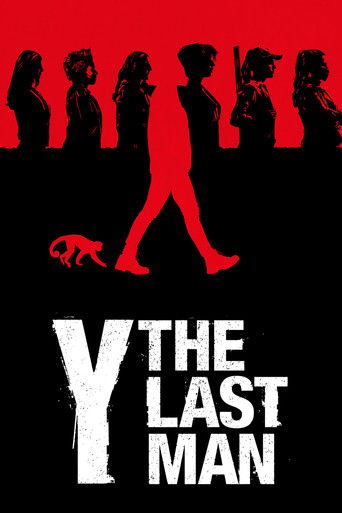
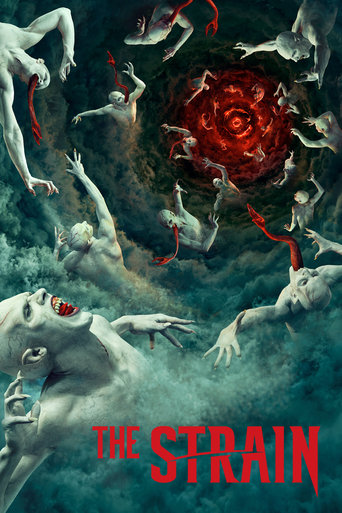
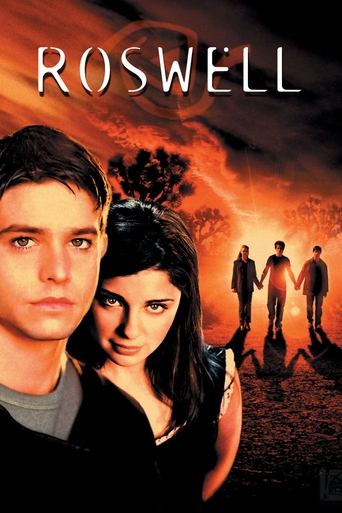
Netflix in particular is famous recently for constantly cancelling series even if they're doing well. And when something underperforms just a little they also cancel it, when they probably could've invested a bit more to improve it instead. This is actually hurting them because it reduces customer trust, which suggests they really just like cancelling things - or at best, they're irrationally sensitive to the possibility actors might ask for a raise next season.
You mean companies never fail and go out of business? It happens all the time.
> Does the profit motive actually stop Google or Uber from constantly doing useless makework projects and releasing unprofitable products?
Did you read in the news recently that Amazon axed Alexa? Because it was losing $billions?
Besides, it's rarely possible to tell in advance whether a new product line will be successful or not. The thing to do is try it and see. If it fails, you axe it. If it succeeds, you put more investment into it.
It's like a TV series. "Yellowstone" was wildly successful, and Paramount is pouring money into prequels and sequels. "The Time Traveler's Wife" didn't do well, so no second season.

 Hacker Cinema



2 comments on Hacker News
> You mean companies never fail and go out of business? It happens all the time.
It's true that "if you can't make payroll, the company goes out of business" but anything less unoptimal than that also happens all the time. Individual executives who cause the failures get promoted, bad products with price-insensitive customers/investors live on, unprofitable business lines in otherwise surviving companies can live forever, managers grow their teams for non-economic reasons, customer brands of failed companies get bought and relaunched by anonymous Chinese companies instead of disappearing.
(Wrt this website, capitalism has given former YC president Sam Altman multiple McLarens and a New Zealand apocalypse bunker despite his never having a known productive job in his life.)
> Did you read in the news recently that Amazon axed Alexa? Because it was losing $billions?
That wasn't a rational decision. Amazon started Alexa on a whim, didn't monetize it on a whim, and canceled it on a whim. In a large company, the R&D people who develop products are often walled off from knowing about finances because the execs don't want corporate finances to be widespread knowledge, and so their yearly performance reviews are based on inventing cool stuff rather than if they were profitable or not. So the execs just didn't decide to tell them to do profitable stuff, then got bored and cancelled it instead of doing that. Too bad for anyone who got laid off, but it wasn't their fault.
(It's strange for them to claim it was losing billions though. It sure seemed like they were selling a lot of licenses, and Amazon is usually known for good cost control. Where was it all going?)
> It's like a TV series. "Yellowstone" was wildly successful, and Paramount is pouring money into prequels and sequels. "The Time Traveler's Wife" didn't do well, so no second season.
The TV industry has lots of cost-insensitive customers because most people don't cancel their cable/streaming accounts every month even if they don't use it. So they don't have perfect signals here either.
Netflix in particular is famous recently for constantly cancelling series even if they're doing well. And when something underperforms just a little they also cancel it, when they probably could've invested a bit more to improve it instead. This is actually hurting them because it reduces customer trust, which suggests they really just like cancelling things - or at best, they're irrationally sensitive to the possibility actors might ask for a raise next season.
> it never in practice being true
You mean companies never fail and go out of business? It happens all the time.
> Does the profit motive actually stop Google or Uber from constantly doing useless makework projects and releasing unprofitable products?
Did you read in the news recently that Amazon axed Alexa? Because it was losing $billions?
Besides, it's rarely possible to tell in advance whether a new product line will be successful or not. The thing to do is try it and see. If it fails, you axe it. If it succeeds, you put more investment into it.
It's like a TV series. "Yellowstone" was wildly successful, and Paramount is pouring money into prequels and sequels. "The Time Traveler's Wife" didn't do well, so no second season.
Exactly as free market principles predict.