 Hacker Cinema
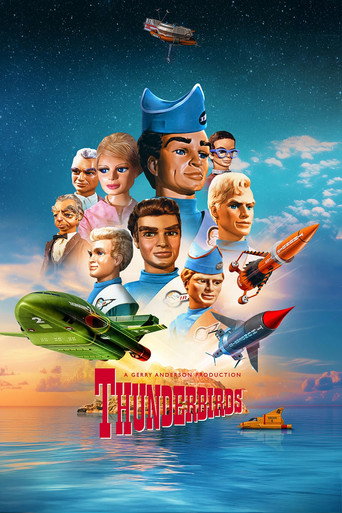
Thunderbirds
1965 · TV series · 50 min episodes · 2 seasons
Created by Gerry Anderson, Sylvia Anderson
FamilyActionAdventureAnimationScience FictionFantasy
Thunderbirds is a 1960s British science-fiction television series which was produced using a mixed method of marionette puppetry and scale-model special effects termed "Supermarionation". The series is set in the 21st century and follows the exploits of International Rescue, a secret organization formed to save people in mortal danger with the help of technologically advanced land, sea, air and space vehicles and equipment, launched from a hidden base on Tracy Island in the South Pacific Ocean.
1 positive10 neutralfrom 11 commenters
Where to watch
No streaming data for this title.
Videos commenters linked
From YouTube links in the comments below. Most are clips and trailers; “Full” means the uploader says so.



11 comments on Hacker News
That's an episode from "Thunderbirds".
He keeps pushing his actors to become more wooden and paper-doll like.
At some point he may use real wooden puppets like the 1960s TV series Thunderbirds, which looks very Wes Andersonesque: https://www.youtube.com/watch?v=wLiH4xrCITI
I didn’t realise the Thunderbirds was a documentary
https://youtu.be/h9kPmX32j9A?feature=shared
Most of the Gerry Anderson shows are available to stream on ITVX in the UK. The Re-imaginings of Thunderbirds and Captain Scarlett in 3D are there too.
Fireball XL-5, Supercar, Joe 90, Space Precinct (sub needed), UFO, Terrahawks, Space:1999, The Secret Service, Stingray, Gerry Anderson's New Captain Scarlet (3D), Captain Scarlet, Thunderbirds the Anniversary Episodes, Thunderbirds Are Go (3D), Thunderbirds.
An important thing to be aware of. However, storing nitrate film in your shed would still be illegal and inadvisable. There is a decade buffer ensuring Thunderbirds was not filmed on nitrate. tbh I don't think the is any nitrate film stored in a shed which would still be recoverable.
Never knew this series but little me (from the Netherlands, from 1982) would have loved this show, I certainly loved Thunderbirds (even though 50% of the show was the same TB launch sequence ;) ). I feel sad that I seem to have lost the capacity to experience the epicness of such series/films.
Anyway, very cool that that Mars base is from 2020... It seemed so far way back then. The SciFi future with Mars bases and flying cars that never happened. We did get Smartphones though... What will humanity look like in 40 years? Unrecognizable probably.
The documentary "Supermarionation" (no relation to Super Mario) on Netflix is about the making of Thunderbirds and the other puppeteer shows from the same studio. Mind you, it's a typical Netflix documentary with 90% interviews from a handful of people.
>bunch of LARP
Having just watched an episode of Thunderbirds I'm the first to admire any bunch of people who want to change or change things for the better. However the sad truth is that, you're right, trying to make progress for progress' sake is little better than building a Star Trek set.
Inspiration is vital but real progress comes a byproduct of understanding things better as they are now, and how they fit together now, I think.
Totally looks like something straight from the TV show The Thunderbirds.
I am reminded of that Thunderbirds episode where they attempt to relocate the Empire State Building, with predictably disastrous consequences. [1]
It's interesting how in many ways, the future the show predicted was more negative than the present. It seems the hubris of man has calmed down a bit since then. Or is that the spirit of adventure? One of the two.
https://youtu.be/i4qfSrN27qo
> If you quote William Gibson's analysis of Japanese society as authoritative or insightful, you already lose...In terms of tech adoption, Japan may have been ahead of the USA in some respects, but in terms of how their society is structured they're still a few decades behind. Their treatment of women, in particular, would strike an American as archaic and quaintly Mad Men at best, and at worst barbaric and abusive.
I am reminded of a recent discussion on 4chan of, amusingly enough, this very essay, where a 4channer reading the appendix noticed that I wrote "mediums" instead of "media", and outraged, wondered how anyone could take seriously anything I had ever written since I could not even use the word correctly.
At the risk of outraging you still further, can't it be true that "the future is already here, it's just unevenly distributed"? Can't it be possible that in some respects Japanese society is further ahead on a trend than the USA, and in other respect behind?
> Younger Japanese (age 40 and below) tend to be more worldly and cognizant of other cultures, and understand that the social structures which served their parents and grandparents are keeping Japan held back and isolated, economically and socially.
I wonder... Not very long ago, I finished reading my first 'visual novel', one called _Umineko_. The patriarch of the protagonist's family is what one might almost call a Western otaku - English-speaking, European-literature-loving, contemptuous of all things Japanese, and a few spoiler things as well - and the novels themselves are heavily influenced by Western murder mysteries & a bit of philosophy too. I was struck by how old-fashioned this preference seemed in the character. Similarly, I have spent a lot of time on Gainax & Hideaki Anno, and one thing that comes across is how much old Western SF and television Anno & other Gainaxers must have consumed, given the pervasiveness of the references in their work. But younger directors and anime industry figures seem to reference Western materials much less - I would be very surprised to see a _Babylon V_ or _Firefly_ reference in any anime I watched, whereas Anno would freely throw in allusions to Anderson's _Thunderbirds_ TV series and now-obscure Western works like that. I've also seen claims by occasional Japan-related writers that actual English proficiency has declined, which certainly might reduce Western exposure, given how much of it would be in English. All of which makes me wonder what objective metrics there could be for 'more worldly and cognizant of other cultures' and what they would show over the past 3 or 4 decades in Japan?