 Hacker Cinema
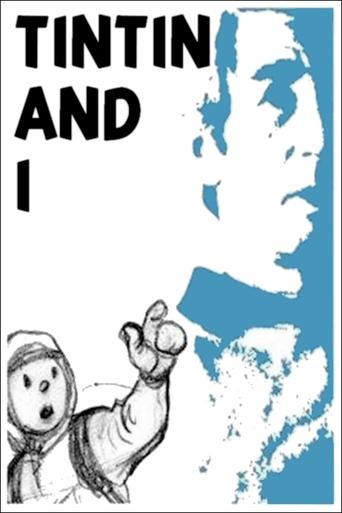
Tintin and I
Tintin et moi
2004 · Film · documentary · 75 min
Directed by Anders Østergaard
Why do the comic-strip Adventures of Tintin, about an intrepid boy reporter, continue to fascinate us decades after their publication? "Tintin and I" highlights the potent social and political underpinnings that give Tintin's world such depth, and delve into the mind of Hergé, Tintin's work-obsessed Belgian creator, to reveal the creation and development of Tintin over time. Rare and surprisingly candid 1970s interviews reveal the profound insecurities and anxieties that drove Hergé to produce stories that have not only entertained millions of children but also helped to satisfy a personal longing for self-expression.
1 positive1 neutralfrom 2 commenters
Where to watch
No streaming data for this title.



2 comments on Hacker News
There is a very good documentary called "Tintin and I" (2003) [1] about Hergé's life and art. It goes quite deep into Hergé's personal life, influences, and psychology, including a dark period of his life that apparently ended up inspiring the story Tintin in Tibet (one of his best). It features some hand-animated Tintin panels that are very well done.
Looks like the whole thing is on YouTube [2].
[1] https://en.wikipedia.org/wiki/Tintin_and_I
[2] https://www.youtube.com/watch?v=XUTwf7w7ML4
But it's not true. There are plenty of authorized reproduction that breaks the strictly prohibited rules.
> To modify the original text of the speech bubbles, covers and so forth, or to add any text to the selected visual(s).
Obviously they are giving publishers of translations an exception to this strictly prohibited, no-exceptions rule.
> To change the colours, line or orientation of the image. The film "Tintin and I" re-animates large parts of several scenes.
So why publish a document saying "when we've granted you the right to re-publish some of our stuff, you can't do the following with it", when they obviously will allow you.
Also, shouldn't the copyright date be the year of the original being reproduced? Or what exactly is the point of the copyright year here?