This is likely in reference to Innocence of Muslims[0] the movie which allegedly prompted the attack on the US embassy in Benghazi. It can be easily found on Youtube today.[1]
Incidentally, Judge Smith makes cogent points in his dissent, but I'm a bit tired to go addressing them in detail now.
In a nutshell, my take on it is this: Garcia has a copyright interest in her performance by default; she assigned that interest as part of her agreement with the film's producers; that agreement is pendant on a mutual understanding about the nature and general content of the film, and in the case of Innocence of Muslims the misrepresentation by the producers was so blatant as to be fraudulent, invalidating the contractual relationship the agreement was intended to establish, and voiding the assignment of Garcia's copyright interest, which must be presumed to have reverted to Garcia in the absence of evidence to the contrary.
Assuming her story is entirely true, there is still the argument that we shouldn't ever whitewash history. Innocence of Muslims now has an important role in history, from the abuse of the actors involved to the bloody protests that claim the "film" as the protagonist.
Yes, it's tragic that someone is caught up in this against their will, but censoring it in the US doesn't make it any less relevant to recent history. At this point in time, not being able to watch the film is the same as censoring any other video with historical impact.
I can't imagine being in the actress's position, but facts cannot be erased - only censored.
Lots of governments do have that ability[1]. The difference here seems to be that it wasn't required by law (instead, heavily pressured by the government), but it's also just the ability to flag, not to remove. We're going to have to see how that pans out in practice (as well as if they can remove things only in the UK, which is true of some of the takedowns mentioned in [1], e.g. "We received two requests and two court orders from regulatory agencies to remove 105 YouTube videos that contain clips of the movie, "Innocence of Muslims." We restricted videos from view in Egypt").
It's "garbage" in the sense of "terrible film making". The actor's voices change occasionally, probably because it was poorly edited afterwards to make them appear to say something different from what they actually said.,
Imagine you hate Islam and you want to portray it in an obnoxious, demeaning, and depraved manner, with all the production quality of a middle school film project. You've just envisioned Innocence of Muslims.
> I generally agree that banning possession or even just sale of most guns would reduce the spree killing rate, but spree killings are essentially statistical noise relative to other violent crimes and gun-related violent crimes.
Yes, exactly -- I don't think that stopping spree-killing (as dreadful as they are) -- validates a significant encroachment on what is considered a protected individual right.
The outright ban on most repeating firearms may have worked for Australia (less overall gun crime, no fundamental right to bear arms), but it would absolutely not happen in the US (liberals and conservatives would oppose it). At the same time, it would not significantly change public safety in general.
Addressing spree-shootings is a legitimate concern, but in the United States, it has to necessarily be addressed in a manner that involves the least possible restriction. The kind of solution Australia under took would require a constitutional amendment (which needs a super majority of states to agree), an insane budget for a buy back (there could be close to hundred of millions of these firearms at the least), and it would probably never come to fruition as majority of the US populace would oppose it and police would refuse to enforce it.
This isn't just about firearms: I'd imagine movies like "Innocence of Muslims" or groups like Westboro Baptist Church would be banned in many other first world countries. Upholding a statute that infringes on a Bill of Rights amendment requires an extra-ordinary cause ("fire in a crowded theater"/"clear and present danger" standard).
Individuals who suggest US follow the Australia or British model are well intentioned but are unaware of both how strongly gun rights advocates and gun owners feel on the issue (there is no magic "gun lobby", NRA is powerful because of donations from individuals) and the reality of day-to-day gun violence in the US (it is not what is shown on tv).
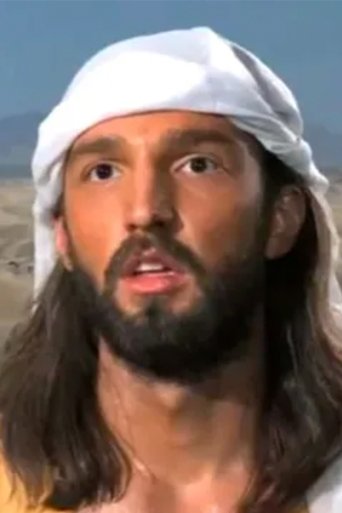
 Hacker Cinema




9 comments on Hacker News
This is likely in reference to Innocence of Muslims[0] the movie which allegedly prompted the attack on the US embassy in Benghazi. It can be easily found on Youtube today.[1]
[0]https://en.wikipedia.org/wiki/Innocence_of_Muslims [1]https://www.youtube.com/watch?v=Vl2-NyONaL8
She didn't claim copyright in the film. Read the decision; the opinion was written by Judge Kozinski, who is one of the brightest minds on the bench. https://scholar.google.com/scholar_case?case=752615380456801846&hl=en&as_sdt=6&as_vis=1&oi=scholarr
Incidentally, Judge Smith makes cogent points in his dissent, but I'm a bit tired to go addressing them in detail now.
In a nutshell, my take on it is this: Garcia has a copyright interest in her performance by default; she assigned that interest as part of her agreement with the film's producers; that agreement is pendant on a mutual understanding about the nature and general content of the film, and in the case of Innocence of Muslims the misrepresentation by the producers was so blatant as to be fraudulent, invalidating the contractual relationship the agreement was intended to establish, and voiding the assignment of Garcia's copyright interest, which must be presumed to have reverted to Garcia in the absence of evidence to the contrary.
Assuming her story is entirely true, there is still the argument that we shouldn't ever whitewash history. Innocence of Muslims now has an important role in history, from the abuse of the actors involved to the bloody protests that claim the "film" as the protagonist.
Yes, it's tragic that someone is caught up in this against their will, but censoring it in the US doesn't make it any less relevant to recent history. At this point in time, not being able to watch the film is the same as censoring any other video with historical impact.
I can't imagine being in the actress's position, but facts cannot be erased - only censored.
Lots of governments do have that ability[1]. The difference here seems to be that it wasn't required by law (instead, heavily pressured by the government), but it's also just the ability to flag, not to remove. We're going to have to see how that pans out in practice (as well as if they can remove things only in the UK, which is true of some of the takedowns mentioned in [1], e.g. "We received two requests and two court orders from regulatory agencies to remove 105 YouTube videos that contain clips of the movie, "Innocence of Muslims." We restricted videos from view in Egypt").
[1] http://www.google.com/transparencyreport/removals/government/
You can see the trailer here: http://www.dailymotion.com/video/xtk8hd_innocence-of-muslims-movie-muslims-don-t-want-people-to-see_shortfilms
It's "garbage" in the sense of "terrible film making". The actor's voices change occasionally, probably because it was poorly edited afterwards to make them appear to say something different from what they actually said.,
Link to the "movie trailer": http://www.dailymotion.com/video/xtk8hd_innocence-of-muslims-movie-muslims-don-t-want-people-to-see_shortfilms
It's so bad, actors change voice, presumably because post-production had to make them say things.
> Youssef hired Garcia to work on "Desert Warrior", a film that was described as materially different from "Innocence of Muslims".
If you are interested in hearing more about the story of how the movie came to be, Anna Gurki (another actor in the film) wrote a letter about it: http://journal.neilgaiman.com/2012/09/a-letter-from-scared-actress.html
Imagine you hate Islam and you want to portray it in an obnoxious, demeaning, and depraved manner, with all the production quality of a middle school film project. You've just envisioned Innocence of Muslims.
> I generally agree that banning possession or even just sale of most guns would reduce the spree killing rate, but spree killings are essentially statistical noise relative to other violent crimes and gun-related violent crimes.
Yes, exactly -- I don't think that stopping spree-killing (as dreadful as they are) -- validates a significant encroachment on what is considered a protected individual right.
The outright ban on most repeating firearms may have worked for Australia (less overall gun crime, no fundamental right to bear arms), but it would absolutely not happen in the US (liberals and conservatives would oppose it). At the same time, it would not significantly change public safety in general.
Addressing spree-shootings is a legitimate concern, but in the United States, it has to necessarily be addressed in a manner that involves the least possible restriction. The kind of solution Australia under took would require a constitutional amendment (which needs a super majority of states to agree), an insane budget for a buy back (there could be close to hundred of millions of these firearms at the least), and it would probably never come to fruition as majority of the US populace would oppose it and police would refuse to enforce it.
This isn't just about firearms: I'd imagine movies like "Innocence of Muslims" or groups like Westboro Baptist Church would be banned in many other first world countries. Upholding a statute that infringes on a Bill of Rights amendment requires an extra-ordinary cause ("fire in a crowded theater"/"clear and present danger" standard).
Individuals who suggest US follow the Australia or British model are well intentioned but are unaware of both how strongly gun rights advocates and gun owners feel on the issue (there is no magic "gun lobby", NRA is powerful because of donations from individuals) and the reality of day-to-day gun violence in the US (it is not what is shown on tv).