His movies are insufferable, they mock humanity, they are low-ingredient-count/genuine, and they convey very few life lessons to take outside the movie. But the flip side of these attributes also make these movies great.
Insufferable: He doesn't just convey a feeling to his audience. He makes the audience feel it directly. If he wants to convey boredom, he bores you. If he wants to convey patiences, he makes you wait patiently. If he wants to convey discomfort, he'll make you feel uncomfortable.
Mocking: He mocks his subjects in many ways, but mocking also seems to be his main way to express admiration. He mocks man's battle against nature. "Man is a fool. Nature wins" is a binding theme, yet he believes greatness only comes form that struggle (hunting in the taiga, an impromptu hike through France and Germany, Fitzcarraldo, playing chicken with an active volcano, etc). The more highly his subject thinks about himself (and it's always a "he"), the more he savages them with mockery (that includes all PhDs in his movies, and every character who wants to be on camera). The more prestigious the character, the more he lunges at them. And if he can't make them flinch with his mockery, he holds the shot steady long enough for the viewer to flinch. He needs someone to flinch in his mockery/respect/admiration game.
Low-ingredient/genuine: In his older films, his actors were raw (either because they weren't actors, or because they were Kinski). Hertzog portrays himself on the scene through his characters, and criticizes himself. The struggles he documents remind him of his own follies. He makes fun of his characters to criticize himself. It's a form of bullying for sure, but it's also a genuine form of self-criticism.
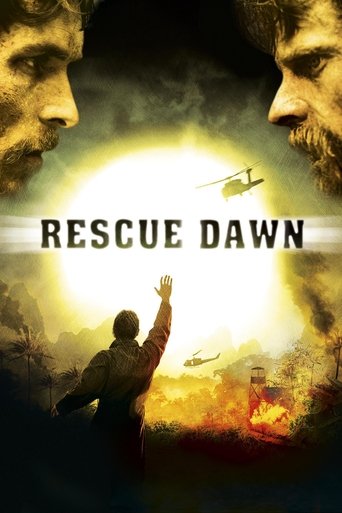
No life lessons: You might walk away thinking "what did i learn from that movie?" Usually you'll have learned nothing (Rescue Dawn might be an exception, because it's really a Hollywood film. But think about his documentary about the skiing wood carver. You learn zero things about skiing or wood carving). But you've walked away with a shitload of feelings. You've been through the ringer. These feelings seem to dissipate soon after the movie, but the sounds, the music, the tone of his voice, the periodic movements in the scene all stay with you. These images have a taste, and you'll remember their taste for years to come.
I hate his movies, but I've watched every one of them to understand why I hate them. I wish kinski had succeeded in strangling him, or that pellet had not be so insignificant, or that Alice Waters had let him choke on that shoe. But there's no escaping the images, I'll always feel haunted.
Werner Herzog has made a number of excellent documentaries. Here are a few of them with brief summaries.
Lessons of Darkness: the aftermath of the first Gulf War in Kuwait.
Little Dieter Wants to Fly: A young German emigrates to the USA, become a Navy pilot, and is shot down in Vietnam. He escapes and lives to tell the tale. Herzog later re-made this as Rescue Dawn, but the original version is better.
Encounters at the End of the World: Herzog travels to Antarctica.
My Best Fiend: Herzog recounts his movie-making with Klaus Kinski. (For the counterpoint, read Kinski's autobiography, "Kinski Uncut.)
The White Diamond: an experimental zeppelin flies over Guyana.
Grizzly Man: Bear aficionado gets too close and is eaten. Herzog assembled this one from the aficonado's footage and narrates.
Out of all of these, I'd rate "Dieter" as the best.
Micro Men from BBC had some startuppy themes when Acorn began, although it was more about the rivalry with Sinclair than the startup experience itself.
In my head I associate all kinds of survival movies like Cast Away, Rescue Dawn etc. being startuppy as well in the sense that the characters are surviving on their wits and persistence, against forces of nature and their own doubts.
 Hacker Cinema


3 comments on Hacker News
His movies are insufferable, they mock humanity, they are low-ingredient-count/genuine, and they convey very few life lessons to take outside the movie. But the flip side of these attributes also make these movies great.
Insufferable: He doesn't just convey a feeling to his audience. He makes the audience feel it directly. If he wants to convey boredom, he bores you. If he wants to convey patiences, he makes you wait patiently. If he wants to convey discomfort, he'll make you feel uncomfortable.
Mocking: He mocks his subjects in many ways, but mocking also seems to be his main way to express admiration. He mocks man's battle against nature. "Man is a fool. Nature wins" is a binding theme, yet he believes greatness only comes form that struggle (hunting in the taiga, an impromptu hike through France and Germany, Fitzcarraldo, playing chicken with an active volcano, etc). The more highly his subject thinks about himself (and it's always a "he"), the more he savages them with mockery (that includes all PhDs in his movies, and every character who wants to be on camera). The more prestigious the character, the more he lunges at them. And if he can't make them flinch with his mockery, he holds the shot steady long enough for the viewer to flinch. He needs someone to flinch in his mockery/respect/admiration game.
Low-ingredient/genuine: In his older films, his actors were raw (either because they weren't actors, or because they were Kinski). Hertzog portrays himself on the scene through his characters, and criticizes himself. The struggles he documents remind him of his own follies. He makes fun of his characters to criticize himself. It's a form of bullying for sure, but it's also a genuine form of self-criticism.
No life lessons: You might walk away thinking "what did i learn from that movie?" Usually you'll have learned nothing (Rescue Dawn might be an exception, because it's really a Hollywood film. But think about his documentary about the skiing wood carver. You learn zero things about skiing or wood carving). But you've walked away with a shitload of feelings. You've been through the ringer. These feelings seem to dissipate soon after the movie, but the sounds, the music, the tone of his voice, the periodic movements in the scene all stay with you. These images have a taste, and you'll remember their taste for years to come.
I hate his movies, but I've watched every one of them to understand why I hate them. I wish kinski had succeeded in strangling him, or that pellet had not be so insignificant, or that Alice Waters had let him choke on that shoe. But there's no escaping the images, I'll always feel haunted.
Werner Herzog has made a number of excellent documentaries. Here are a few of them with brief summaries.
Lessons of Darkness: the aftermath of the first Gulf War in Kuwait.
Little Dieter Wants to Fly: A young German emigrates to the USA, become a Navy pilot, and is shot down in Vietnam. He escapes and lives to tell the tale. Herzog later re-made this as Rescue Dawn, but the original version is better.
Encounters at the End of the World: Herzog travels to Antarctica.
My Best Fiend: Herzog recounts his movie-making with Klaus Kinski. (For the counterpoint, read Kinski's autobiography, "Kinski Uncut.)
The White Diamond: an experimental zeppelin flies over Guyana.
Grizzly Man: Bear aficionado gets too close and is eaten. Herzog assembled this one from the aficonado's footage and narrates.
Out of all of these, I'd rate "Dieter" as the best.
Micro Men from BBC had some startuppy themes when Acorn began, although it was more about the rivalry with Sinclair than the startup experience itself.
In my head I associate all kinds of survival movies like Cast Away, Rescue Dawn etc. being startuppy as well in the sense that the characters are surviving on their wits and persistence, against forces of nature and their own doubts.