 Hacker Cinema
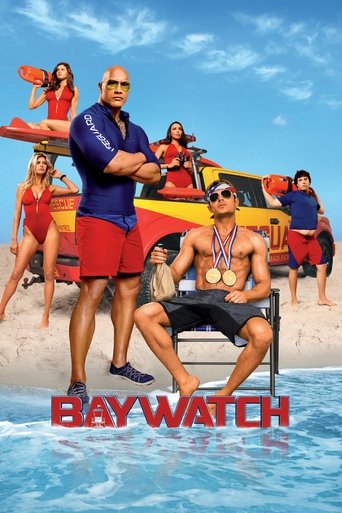
Baywatch
2017 · Film · 116 min
Directed by Seth Gordon
Devoted lifeguard Mitch Buchannon butts heads with a brash new recruit. Together, they uncover a local criminal plot that threatens the future of the Bay.
8 negative3 neutralfrom 11 commenters
Where to watch
No streaming data for this title.
11 comments on Hacker News
its not fun at all, i got la land land, interstellar, inception and baywatch, all being similar to the movie today. And they weren't really similar
> Audiences did not want to see remakes of old TV shows (bad news for Baywatch and CHIPS).
21/22 jump street suggests the problem isn't with remakes of old shows but rather the quality of the remake. I was interested in baywatch, it got bad reviews so I didn't bother.
People don't want to see bad movies. I'm tired of the idea that comic book movies and sequels are all bad movies.
> Most of the dud movies are broken at the script and actor selection phase.
Nothing kills a movie quite like a bad script. You can pair up a lot of very similar winners and losers and see that the key difference is the script. Compare for example Baywatch and 22 Jump Street. Both rehashed Gen-X era TV shows about good-looking people. 22 Jump Street was smart, self-aware, and successful.
Since few bombs do have good scripts, you would think studio execs would simply never put a weak script into production. While you can have a successful film with a shitty script, why risk it? Especially given how cheap it is to change a script early on.
Given that they seemingly don't, there's probably some other forces in play. Probably some combination of:
1. Maybe it's just really hard to evaluate a script early on. There's probably some truth to this, but I don't think much. Film execs read a lot of scripts and it's an easily trainable skill.
2. Maybe the script starts out good but gets screwed up because of perverse incentives. This is, I think, a bigger part of it. The director wants to put their mark on it. A big-name star wants their character to get more screen time. All of a sudden, there are forces pushing on the script that make it better for the people making the movie, but not for the view.
3. Corporate politics at the studio comes into play. A studio brings on a script doctor who is compelled to earn their check by making a certain amount of changes even if the script didn't need them. An exec owes someone a favor and gets a role jammed in for a particular actor. An exec got burned on a previous film about shark and says all sharks must be removed from all scripts.
4. Then the reality of production, scheduling and budget. You read a lot of stories about subplots that had to be cut because they ran out of money, scenes that were rushed because of location access, etc. I think a lot of times, the movie you watch is not the movie that was described on paper. It's not uncommon for screenwriters to take their name off a film because the final result of production hell isn't what they wrote.
If those people do, why are the studio executives complaining? Perhaps it's because "Ticket revenue was down at least 12 percent, and ticket sales were at their lowest point for the season in 10 years. Audiences did not want to see remakes of old TV shows (bad news for Baywatch and CHIPS). They did not want to see badly reviewed franchise entries (the take for the latest Transformers installment was way down)."[1] (linked from the article).
[1]: http://www.philly.com/philly/entertainment/movies/dunkirk-girls-trip-are-brights-spots-in-a-bummer-summer-20170825.html
Middling scores are not super important. The value is on the very low scores.
I see a lot of movies in the theater. Movies like Baywatch and Emoji Movie were awful on any scale, and rotten tomato ratings will keep you away.
This whole discussion is a distraction from the larger problem -- studios are slinging out shit sandwiches as feature films. I should be getting a better film experience in a theater than on a made for Netflix movie, but I frequently don't.
Actually there are two numbers, the Tomatometer (the critics' score) and the audience score. I just go by the critics's score; in fact, if that's higher than the audience score, that's a positive indication. I generally avoid movies where the audience score is higher. (Baywatch is a fine example, with 18% on the Tomatometer but a 60% positive rating from the audience.)
Baywatch had a ton of potential to bring back nostalgia of the 90's and yet they went with some sort of shitty terrorist/mystery/villain story plot completely shitting all over what the baywatch tv show was all about.
Hollywood just wants to be able to make something quick with low quality and a few big names and print money. They are just crying because people don't want to see their shitty movies.
I think there's some merit to complaints about rotten tomatoes. The problem with reducing a movie to a single score is different people like different things. Yeah, a score of 19 is pretty awful, so the Baywatch movie is probably bad, but some people liked it. When the whole movie is reduced to a single score, you lose the ability to figure out what audiences like a movie vs what don't, and so someone who might have actually enjoyed the movie is turned off because of all the people who don't like it.
That said, Rotten Tomatoes does provide snippets of reviews, which mitigates this issue a bit. You can skim the snippets and see why various critics liked or didn't like the movie. But I'd wager that most people don't do that, and even for the ones that do it only helps a little.
Dunkirk Spoilers: I feel like Rotten Tomato doesn't work all the time. I watched Dunkirk, excited from the 93% on RT, and I walked out and felt disappointed. Like I get the cinematography was great, the story structure is amazing, everything a critic should be looking for was all there, but did I enjoy it? No. I thought it was boring. The movie didn't do anything to foster the relation of characters to the audience. I frankly didn't care about any of them, maybe except the Captain that stayed behind to help the French. I personally thought this was Nolan's weakest movie, although the RT score would suggest otherwise: Inception - 86%, Interstellar - 71% both of which I enjoyed way more than Dunkirk.
I think the audience score also on RT is more telling: Inception - 91% Interstellar - 85% Dunkirk - 82%
We could also take movies that people mentioned on this thread: The Dark Tower - RT: 16%, AS: 54% Baby Driver - RT: 93%, AS: 89% Baywatch - RT: 18%, AS: 60%
I also don't trust critics on the basis of people like Armond White, and since many of them do this for a living, a lot of critics can be bought.
I think what I'm trying to say is that Rotten Tomato is actually inaccurate metric for how enjoyable the movie actually is, and consumers are being misguided.
I also think theres an inherent misunderstanding of the RT score. People look at the score and think this is the quality of the movie, when in reality I think of it as a probability that I would like the movie. A score of 50% doesn't mean the movie has a failing grade, it's that when 100 critics viewed it half the critics enjoyed it and the other half didn't, so there's probably a 50% chance that I'll enjoy the movie.
"Baywatch" is a notable achievement. They managed to make an R-rated beach movie which is neither sexy nor funny. That's hard to do.
> leading to grousing that a rotten score next to the purchase button was the same as posting this message: You are an idiot if you pay to see this movie.
> Kersplat: Paramount’s “Baywatch” bombed after arriving to a Tomatometer score of 19, the percentage of reviews the movie received that the site considered positive (36 out of 191). Doug Creutz, a media analyst at Cowen and Company, wrote of the film in a research note, “Our high expectations appear to have been crushed by a 19 Rotten Tomatoes score.”
Well yes. If your film is terrible, the reviews on sites like Rotten Tomatoes and the overall scores generated from them will reflect that. And if that's the case, people won't watch the movie.
The system works. You put out a terrible film, it got rightly bashed to pieces and people decided it wasn't worth watching as a result. That's all it comes down to; if you want to make money here, you should ideally release a decent product.