Like wine, and investing generally, it's the argumentum ad crumenam, problem.
The problem with movies is they're worse bets than startups and so big productions are the primary ones that get distribution and marketing. Kind of a self-reinforcing power law distribution that leads to a few getting most of the money.
The tiny ones need to find cleverer ways to get free marketing Richard Branson-style and try to include at least one celebrity.
Examples of shoestring budget success stories:
- Napoleon Dynamite 400k USD (2004) (680k USD today)
- Mad Max $200k AUD (1979) (760k USD today)
- Fruitvale Station 900k USD (2013) (1.24M USD today)
- Monty Python and the Holy Grail £ 175k (1975) (2.5M USD today)
I punched in 1972 and there were some fantastic movies that year (The Godfather, Deliverance, Cabaret, Solaris, Jeremiah Johnson, Aguirre - the Wrath of God, The Last House on the Left, Silent Running, The Heartbreak Kid, Fat City, etc.).
Also tried 1973 — same (The Day of the Jackal, Soylent Green, Westworld, The Wicker Man, Papillon, American Graffiti, The Sting, Serpico, Mean Streets, High Plains Drifter, Don't Look Now, Badlands, The Long Goodbye, Jesus Christ Superstar, The Three Musketeers, Fantastic Planet, etc.).
I think they simply made better movies decades ago.
In some ways games of this period are similar to the movies of the 1920s and 30s, before genres had ossified into their more rigid modern forms. In the same way that you'll find the plot of a 30s movie moving strangely between murder mystery, horror, and gangster drama, there are 80s and 90s games that combine two or more oddly disparate genres in fascinating ways.
A good example is the game MEAN STREETS (1989), which is both a point-and-click detective adventure game and a full flight simulator as you move between locations.
"Or is this a standard "prohibition creates criminal opportunity" issue?"
This is exactly it. And it is not something that should be dismissed, it has pretty much been proven correct. In the US, before state run lotteries were present and popular, there were criminal run "numbers games" which were quite similar to lotteries but with much worse payout ratios and where the criminals that ran them often refused to pay for various reasons.
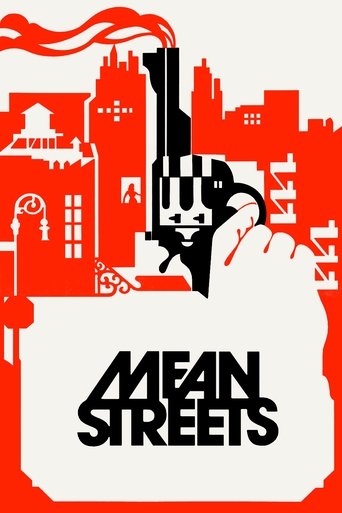
In the Scorcesse classic movie "Mean Streets" one of the storylines is about a kid that wins one of those numbers games but the person that runs the game refuses to pay him because he is of a mixed race.
Numbers games are very rare in the US nowadays and when present are only present in poor immigrant communities that do not know much about the state run lotteries. The state run lotteries did a pretty good job of getting rid of the numbers games and thus depriving organized crime of a source of revenue while providing better odds of success for lottery players and also taking in money for the government and thus saving taxpayer money.
The original lottery idea was also reasonably effective at keeping individual betting volumes low. They did this by making sure that each ticket was relatively cheap and required relatively large amount of work to determine the winner. Thus it was hard for someone to buy many tickets. Unfortunately, this is something that has slowly been eroding as lottery systems try to get more revenue and encourage compulsive buying.
So no I do not think state lotteries should be banned but it may be a good idea to change the rules for advertising or the games themselves to discourage individuals from blowing too much money on them.
 Hacker Cinema



5 comments on Hacker News
Like wine, and investing generally, it's the argumentum ad crumenam, problem.
The problem with movies is they're worse bets than startups and so big productions are the primary ones that get distribution and marketing. Kind of a self-reinforcing power law distribution that leads to a few getting most of the money.
The tiny ones need to find cleverer ways to get free marketing Richard Branson-style and try to include at least one celebrity.
Examples of shoestring budget success stories:
- Napoleon Dynamite 400k USD (2004) (680k USD today)
- Mad Max $200k AUD (1979) (760k USD today)
- Fruitvale Station 900k USD (2013) (1.24M USD today)
- Monty Python and the Holy Grail £ 175k (1975) (2.5M USD today)
- Easy Rider 400k USD (1969) (3.5M USD today)
- Mean Streets 500k USD (1973) (3.6M USD today)
I punched in 1972 and there were some fantastic movies that year (The Godfather, Deliverance, Cabaret, Solaris, Jeremiah Johnson, Aguirre - the Wrath of God, The Last House on the Left, Silent Running, The Heartbreak Kid, Fat City, etc.).
Also tried 1973 — same (The Day of the Jackal, Soylent Green, Westworld, The Wicker Man, Papillon, American Graffiti, The Sting, Serpico, Mean Streets, High Plains Drifter, Don't Look Now, Badlands, The Long Goodbye, Jesus Christ Superstar, The Three Musketeers, Fantastic Planet, etc.).
I think they simply made better movies decades ago.
I seem to recall the guidelines here being against list-articles, but this is the NY Times so I guess it's a reputable source.
Anyhow, the items from his acting career are:
- Early headshot (picture) and type-written résumé
- A fedora (hat) from "Mean Streets"
- An actual taxi driver's license from preparing for "Taxi Driver"
- Dog tags from "Deer Hunter"
- "Raging Bull" annoted script
Cool items, and I guess a really nice move by him to donate personal stuff like that for future generations of film buffs to admire. :)
In some ways games of this period are similar to the movies of the 1920s and 30s, before genres had ossified into their more rigid modern forms. In the same way that you'll find the plot of a 30s movie moving strangely between murder mystery, horror, and gangster drama, there are 80s and 90s games that combine two or more oddly disparate genres in fascinating ways.
A good example is the game MEAN STREETS (1989), which is both a point-and-click detective adventure game and a full flight simulator as you move between locations.
"Or is this a standard "prohibition creates criminal opportunity" issue?"
This is exactly it. And it is not something that should be dismissed, it has pretty much been proven correct. In the US, before state run lotteries were present and popular, there were criminal run "numbers games" which were quite similar to lotteries but with much worse payout ratios and where the criminals that ran them often refused to pay for various reasons.
In the Scorcesse classic movie "Mean Streets" one of the storylines is about a kid that wins one of those numbers games but the person that runs the game refuses to pay him because he is of a mixed race.
Numbers games are very rare in the US nowadays and when present are only present in poor immigrant communities that do not know much about the state run lotteries. The state run lotteries did a pretty good job of getting rid of the numbers games and thus depriving organized crime of a source of revenue while providing better odds of success for lottery players and also taking in money for the government and thus saving taxpayer money.
The original lottery idea was also reasonably effective at keeping individual betting volumes low. They did this by making sure that each ticket was relatively cheap and required relatively large amount of work to determine the winner. Thus it was hard for someone to buy many tickets. Unfortunately, this is something that has slowly been eroding as lottery systems try to get more revenue and encourage compulsive buying.
So no I do not think state lotteries should be banned but it may be a good idea to change the rules for advertising or the games themselves to discourage individuals from blowing too much money on them.