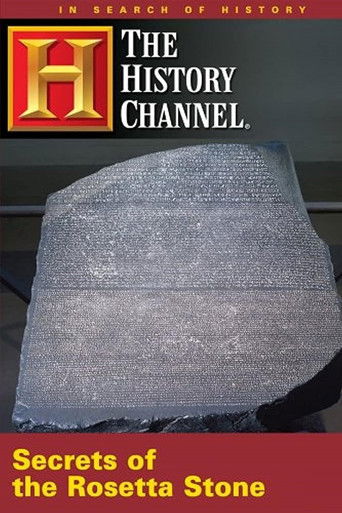
This is a strange viewpoint, do you care to elaborate? I mean, for ancient Egypt, understanding the writing has its origin in a very clear, well understood event and a very specific researcher's career (Rosetta Stone and Champollion), after which there is a sea of research papers which anyone can go and (spend an education and career) judging for themselves. The documentaries easily skip all that but it's not a big mystery that "all that" is there?
It would be nice if someone created a video similar to the "distance ladder" video but for hieroglyphs. Beyond Champollion and into the progress to now. That would be fascinating. It may exist already.
Maybe I missed it but this doesn't state how to find French speakers to converse with. If I, say, live in England, how do I find people who will happily help me practise my French? In my experience speakers that you meet would rather just speak English than help you understand them.
Many years ago I studied French intensively and got to the stage I could read and write quite well and understood some fairly advanced grammar. But I couldn't even make the most spoken basic requests, let alone have a conversation, because I had no exposure to the spoken language. I had done a lot of what the author suggests here in terms of listening (some French films are excellent, by the way), but it's not enough.
One thing I'm quite certain about is techniques that treat you like a baby are really inefficient. That includes Rosetta Stone, Duolingo etc. It's just way more convenient to learn much of the grammar using your existing language skills. Practice with people who can speak your current language and your target language, as the author suggests, is ideal as you can get them to explain what they meant in your language. There are certain fixed phrases and figures of speech which would take a long time to learn like a baby, plus the faux amis will trip you up if you're not careful.
 Hacker Cinema



2 comments on Hacker News
This is a strange viewpoint, do you care to elaborate? I mean, for ancient Egypt, understanding the writing has its origin in a very clear, well understood event and a very specific researcher's career (Rosetta Stone and Champollion), after which there is a sea of research papers which anyone can go and (spend an education and career) judging for themselves. The documentaries easily skip all that but it's not a big mystery that "all that" is there?
It would be nice if someone created a video similar to the "distance ladder" video but for hieroglyphs. Beyond Champollion and into the progress to now. That would be fascinating. It may exist already.
Maybe I missed it but this doesn't state how to find French speakers to converse with. If I, say, live in England, how do I find people who will happily help me practise my French? In my experience speakers that you meet would rather just speak English than help you understand them.
Many years ago I studied French intensively and got to the stage I could read and write quite well and understood some fairly advanced grammar. But I couldn't even make the most spoken basic requests, let alone have a conversation, because I had no exposure to the spoken language. I had done a lot of what the author suggests here in terms of listening (some French films are excellent, by the way), but it's not enough.
One thing I'm quite certain about is techniques that treat you like a baby are really inefficient. That includes Rosetta Stone, Duolingo etc. It's just way more convenient to learn much of the grammar using your existing language skills. Practice with people who can speak your current language and your target language, as the author suggests, is ideal as you can get them to explain what they meant in your language. There are certain fixed phrases and figures of speech which would take a long time to learn like a baby, plus the faux amis will trip you up if you're not careful.